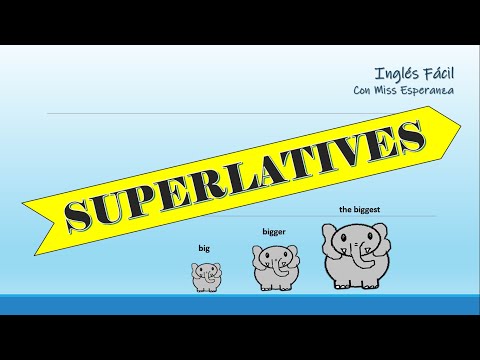
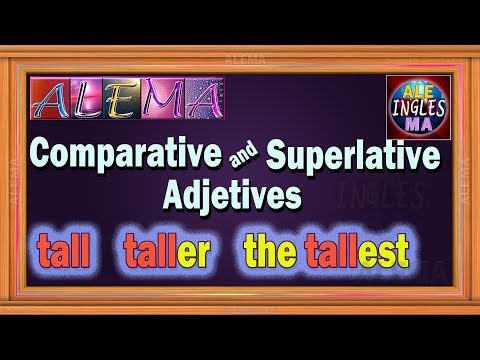
El superlativo en inglés: cuándo usar the -est y the most
Para decir cuál es el mejor, el más alto o el más importante de un grupo, el inglés usa el superlativo con el artículo "the". Con adjetivos cortos añades "-est": "He is the tallest in the class." Con adjetivos largos antepones "the most": "It's the most beautiful city." Hay irregulares que debes memorizar, como "This is the best day." Ojo: en inglés el "the" es obligatorio (no digas "She is tallest") y nunca mezcles formas ("the most tallest" es incorrecto); a diferencia del español, donde "el más alto" siempre lleva "más", el inglés cambia entre la terminación -est y la palabra most según la longitud del adjetivo.
Ejemplos
- He is the tallest in the class. he has the greatest height in the class
- It's the most beautiful city. the city ranks first for beauty
- This is the best day. the top-ranked day
La lección completa
Todo lo del vídeo, en texto.
-
Quita una palabrita y She is the tallest se convierte en algo que ningún nativo diría jamás.
-
Un superlativo señala lo más alto de un grupo: lo más grande, lo mejor, lo más importante. En inglés solo hay dos formas de construirlo.
-
Los adjetivos cortos añaden -est. Los largos no cambian y llevan the most delante. Y ambas formas empiezan por the, porque señalas a un ganador concreto.
-
Empecemos por los cortos. Tall tiene una sílaba, así que solo añade -est, con the. He is the tallest in the class.
-
Cuidado con la ortografía. Un adjetivo corto acabado en -y cambia a -i antes de -est. Today was the easiest test.
-
Ahora los largos. Expensive tiene tres sílabas, así que no lo tocamos: ponemos the most delante. It's the most expensive phone.
-
Mismo patrón para cualquier adjetivo largo. Beautiful queda igual, y the most hace el trabajo. It's the most beautiful city.
-
Dos adjetivos rompen las reglas y los usarás a diario. Good se convierte en the best, y bad en the worst. Apréndetelos de memoria. This is the best day.
-
Y su contrario. That was the worst movie.
-
Ahora las dos trampas clásicas. Nunca mezcles las formas. Es the tallest, no the most tallest. Elige una, nunca las dos.
-
Y no le pongas -est a un adjetivo largo. Expensivest no existe: los adjetivos largos siempre llevan the most.
-
Recuerda: los adjetivos cortos llevan -est, los largos the most, y good y bad se vuelven the best y the worst. Y the casi siempre está.