Reported speech: como relatar o que alguém disse em inglês
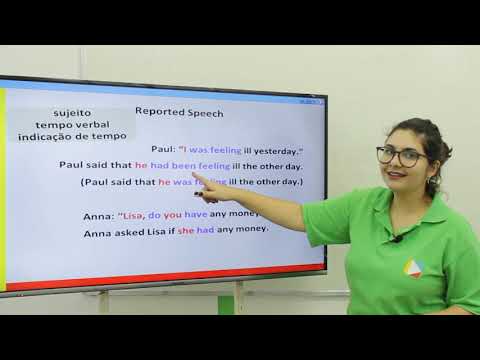
Para contar o que alguém disse em inglês, o tempo verbal normalmente recua um passo (o chamado backshift): o present vira past, will vira would e can vira could. Repare como 'I am busy' se torna "He said (that) he was busy." e 'I will call' vira "She told me she would call.". Diferente do português, em que muitas vezes mantemos o tempo do verbo no discurso indireto, em inglês esse recuo é praticamente obrigatório quando o verbo de relato está no passado. Também é preciso ajustar pronomes e palavras de tempo e lugar (here vira there, tomorrow vira the next day), como em "They said they could help." — e lembre que o that é opcional.
Exemplos
- He said (that) he was busy. reporting 'I am busy'
- She told me she would call. reporting 'I will call'
- They said they could help. reporting 'we can help'
A lição completa
Tudo do vídeo, em texto.
-
Alguém te conta algo. Tu repetes… e cometes um erro que quase toda a gente comete.
-
Ao contar o que alguém disse, costumas recuar o tempo verbal um passo para o passado. É o chamado backshift.
-
As palavras originais eram verdade no momento em que foram ditas. Ao contá-las depois, à distância, marcamos essa distância recuando o verbo.
-
Vamos pelo simples. Ele disse: I am busy. O presente vira passado, e I vira he. He said (that) he was busy.
-
Will recua para would. Ela disse: I will call. She told me she would call.
-
Can recua para could. Disseram: We can help. They said they could help.
-
Repara em duas palavrinhas. Said não precisa de pessoa. Told precisa: dizes algo a alguém.
-
As palavras de tempo também mudam. Tomorrow, contado depois, vira the next day. She said she would leave the next day.
-
E as de lugar. Here vira there quando contas de outro sítio. He said he liked it there.
-
Aqui está o erro clássico. O relato é no passado, por isso não deixes o verbo no presente. Não é she said she is tired: recua-o.
-
Uma nuance. Se ainda é verdade agora, um facto que não mudou, podes manter o presente. He said he lives in Rome está certo.
-
E a palavrinha that é sempre opcional. Pões ou tiras: ambas valem.
-
Em resumo: verbo um passo atrás, pronomes e palavras de tempo ajustados, e that opcional. É o discurso indireto.